

Winter 2026 Newsletter: Clean Label Preservatives, High Fibre Premixes and Pinsa

Updated: Feb 18
❄️ Check out our Winter Newsletter for the latest insights and trends! In this edition, we dive into trending topics heading into 2026. Fibre is going to have its moment in 2026 and trends like sourdough and clean label are here to stay.
WINTER 2026 EDITION (JANUARY - MARCH)
INSIDE THIS ISSUE:
• Trending in 2026: Fibre
• Blending Spotlight: Pinsa Premix
• Case Study: Achieving Consistent Quality with Standardized Cultured Wheat


Trending in 2026: Fibre
Protein had a strong run in 2025, but heading into 2026, fibre is quickly becoming one of the most talked about nutrients in food innovation. Protein still matters, but consumers are clearly shifting toward a more balanced approach to nutrition with fibre stepping into a much bigger role.
Multiple industry sources are now pointing to fibre as the next major nutritional driver. Food Network’s 2026 trend forecast highlights fibre as a key nutrient shaping future product development, signaling a shift toward functional, health focused foods. FoodNavigator has gone so far as to state that “fiber is poised to overtake protein as the next big health trend,” reinforcing the idea that fibre is moving into a leading role rather than remaining a supporting ingredient. With benefits tied to gut health, satiety, and overall wellness, fibre is quickly becoming a defining feature in new product development.
The New Importance of Fibre
Consumers are no longer viewing fibre as a supportive ingredient, instead, it's being recognized as a proactive nutrient that supports metabolic health and better eating habits. As interest in gut health continues to grow and more consumers are following GLP-1 diets, fibre has taken on added importance. With smaller portion sizes becoming more common getting more nutrition into every bite matters.
This shift is reflected in consumer data as well. According to Food Business News, more than half of consumers are interested in foods and beverages that are high in fibre. Interest is even stronger among Gen Z, with roughly 60 percent actively seeking out high fibre options.
Supporting Fibre Innovation
As fibre gains momentum heading into 2026, food brands are looking for ways to stand out with fibre forward products. One of the biggest challenges is delivering meaningful fibre content without compromising taste, texture, or overall eating experience.
At Think Ingredients, we have been actively developing a range of high fibre premixes to help support this shift. One example is our high fibre, low carb bread premix, designed to deliver a fibre-forward nutritional profile while maintaining the taste and texture consumers expect from traditional bread. It is a strong fit for GLP-1 users or for anyone simply looking to improve everyday nutrition.
Beyond breads, our development work extends across crackers, pita breads, tortillas, buns, pizza, and muffins. In each product, our focus remains on balancing nutrition and eating experiences, ensuring fibre enhancement that supports taste and texture.
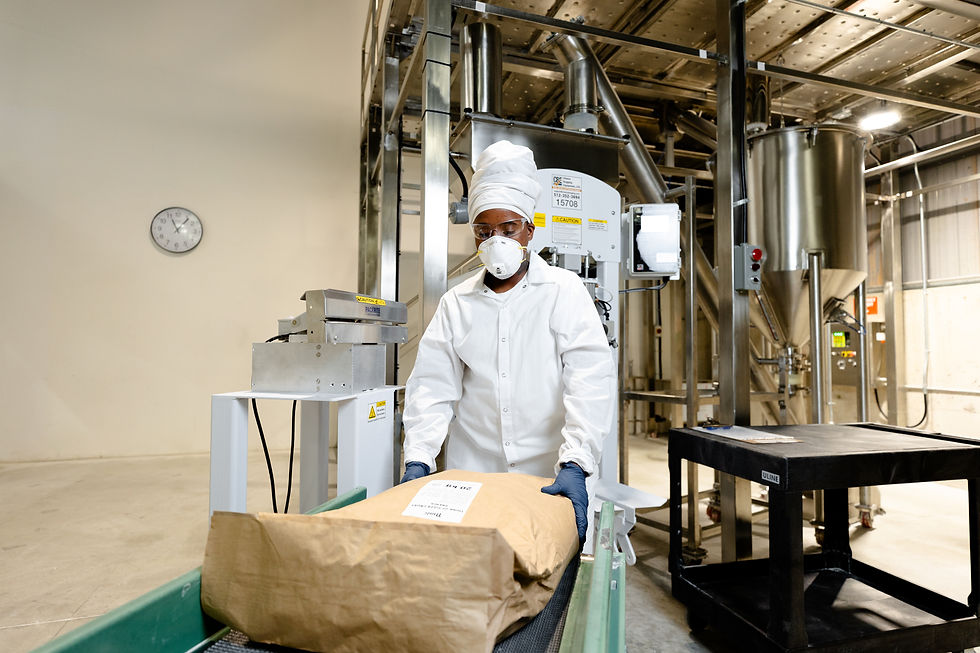
From high fibre breads to reformulated frozen entrées and ready to eat products with improved nutrition, we work behind the scenes to develop premix solutions that help brands adapt to evolving nutrition trends.
References:
Food Business News Article. (2025). High fiber foods top 2026 foodservice trends prediction. Food Business News.
FoodNavigator Article. (2025, December 11). Food trend predictions 2026. FoodNavigator.
Food Network Article. (2026). Food Network food trends 2026. Food Network.

BLENDING SPOTLIGHT
Pinsa Premix
Sourdoughs Continue to Trend in 2026
As we head into 2026, sourdough continues to be a popular trend as consumers gravitate toward products with artisan appeal, complex flavours, and a sense of craft. What started with classic loaves has expanded into crackers, bagels, and exciting new formats like pinsa.

What is Pinsa?
Pinsa is an Italian style pizza flatbread known for its light and airy texture and crisp exterior. It is traditionally made using a blend of flours and a longer fermentation process, which contributes to its signature structure and flavour. Common flour blends often include wheat, rice, and soy, helping create the open crumb and delicate bite pinsa is known for. Extended fermentation also supports improved digestibility, a benefit consumers are paying more attention to as they become more mindful of how foods make them feel. In categories like bread and pizza, products perceived as easier to digest continue to gain preference.
While pinsa is often used as a pizza crust, it can also be adapted into a variety of other formats. It works well with classic toppings like sauce and pepperoni or it can be topped after baking with fresh ingredients such as prosciutto, arugula, and tomatoes for a lighter, fresher experience. The topping possibilities are endless!
Think Pinsa
At Think Ingredients, we have taken these traditional Italian ingredients and turned them into a Pinsa Premix to make it easy to bring this trending sourdough format into your product lineup, without the complexity of traditional production.
While traditional pinsa can be a time-consuming process, our premix is designed for ease of use in manufacturing settings. It delivers authentic sourdough flavour with a shorter fermentation time and requires only the addition of oil, water, and yeast. The premix contains everything needed to create a traditional tasting pinsa and can be used right away for faster operations or fermented for up to 72 hours to further enhance flavour development. It is an easy way to introduce a new pizza crust style with an authentic artisan feel.

Make It Something Different
Pinsa is not limited to being used just as a topped pizza crust. One format popular in Italy is a “pizza tasca,” with ‘tasca’ meaning pocket in Italian. Try forming a smaller pinsa crust and filling it with sandwich style ingredients like arugula, salami, and tomatoes for a fresh take on a ready to eat or grab and go offering.

Gluten Free Pinsa Premix
We didn’t forget about gluten free options! Our Gluten Free Pinsa Premix delivers the same light, airy texture and artisan feel, making it easy to bring this trending format to gluten free consumers too.

Interested in a sample of our Pinsa or Gluten Free Pinsa Premix?
DEVELOPMENT INSIGHTS
No More Mold: Achieving Consistent Quality with Standardized Cultured Wheat
Finding a Clean Label Preservative
A commercial bakery producing a range of products including breads, pizza crusts, and pitas set a goal to eliminate chemical preservatives by the end of 2025 as part of their clean label initiatives. As a starting point, they chose to replace calcium propionate, a synthetic preservative, with cultured wheat flour. Its fermented origin, clean label appeal, and ability to extend shelf life made it a strong fit for their breads, pitas, and pizza crusts.
Read more about cultured wheat and its functionality here: Cultured Wheat Flour
However, removing chemical preservatives proved more challenging than initially expected.
The Challenge: Finding a Clean Label Preservative that Really Works
They started facing challenges with the cultured wheat they were using from another supplier. While the initial transition to cultured wheat seemed successful, they noticed inconsistent performance over time. They were experiencing differences in shelf life and quality across batches despite using the same percentage of cultured wheat in each formulation. After further investigation, the team identified two key issues. Variability in the cultured wheat potency from their original supplier and human error during weighing and batching. Cultured wheat is used at low inclusion levels so even small deviations lead to noticeable performance differences. The inconsistency left them frustrated and close to abandoning their clean label goals altogether.
The Solution: Standardized Think Cultured Wheat Flour
Given the challenges with consistency, we recommended switching to our standardized cultured wheat flour. The process began with a new round of shelf-life testing, where we helped them determine the correct concentration of cultured wheat needed for effective mold inhibition without impacting quality. This concentration was blended and standardized at our manufacturing facility in Burlington to ensure consistent potency and reliable performance.
The Result: Consistent Quality
The result was a standardized cultured wheat that could be added at an easy-to-handle weight, significantly reducing human error while guaranteeing a consistent level of functional preservative in every batch. Mold inhibition was effective, and shelf life was consistently achieved in every batch.
The company’s operations manager expressed satisfaction, saying:
"Think Ingredients’ cultured wheat flour completely solved our consistency issues. Their expertise and high-quality product have given us confidence in our formulations and helped us deliver on our promise of clean-label quality."

Read the full case study HERE or discover our full Case Studies page:
Smart Ingredients, better food.

WORK WITH US! At Think Ingredients, we partner with brands to uncover clean-label solutions that work. Contact us and see how we can help you achieve success in your formulations.


